
If you’ve ever picked up a wrench, driven a car, flown on an airplane, or used a smartphone, you’ve interacted with machined parts.
Most people don’t realize it, but machining is one of the foundations of modern civilization. Nearly every manufactured product starts with raw material that must be cut, shaped, drilled, turned, or finished into something useful. That’s where machining comes in.
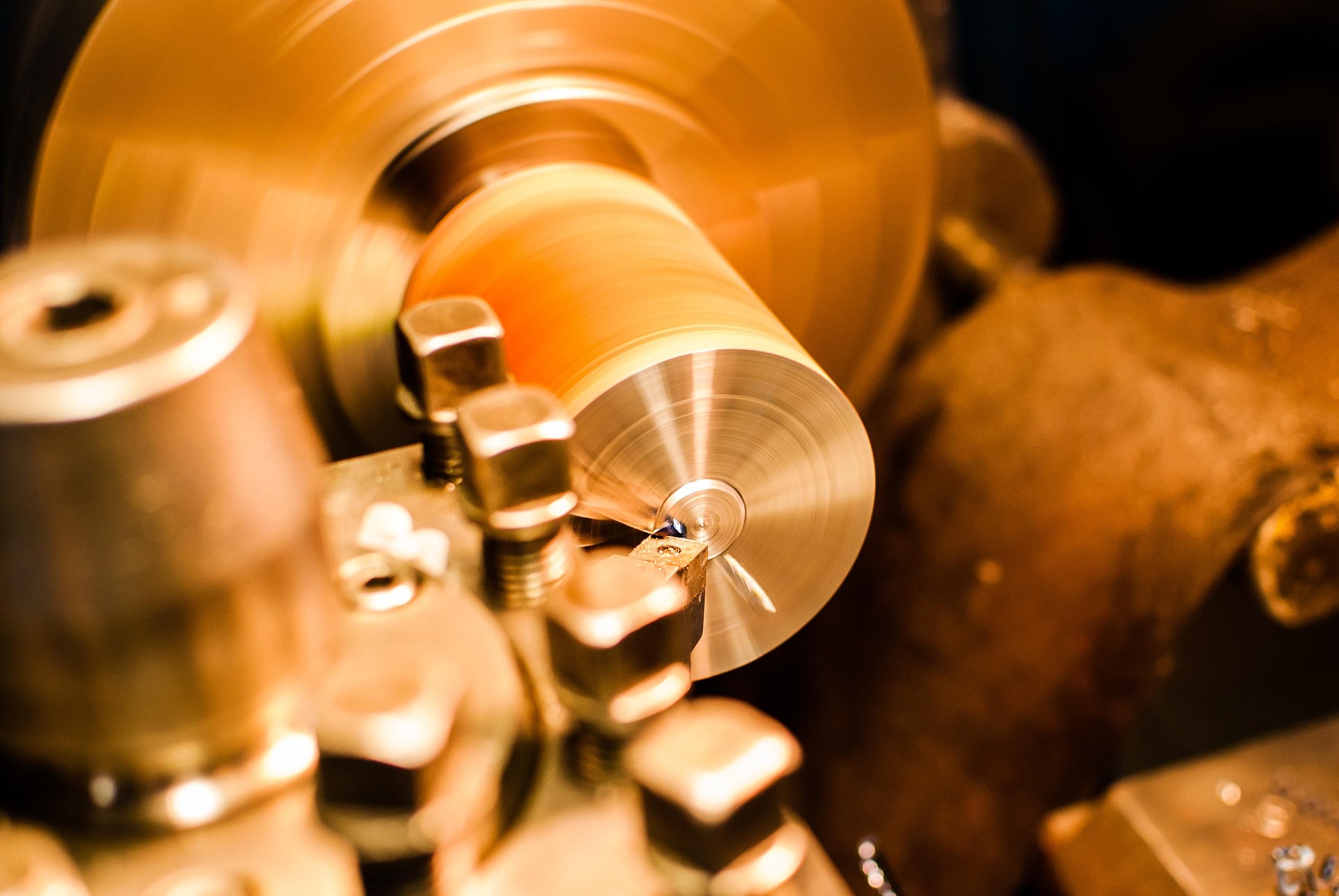
At its core, machining is the process of removing material from a piece of metal, plastic, or another material to create a specific shape. Think of it like sculpting, except instead of a hammer and chisel, machinists use highly precise machines and cutting tools capable of working to tolerances measured in thousandths of an inch.
A machinist might start with a solid block of aluminum and transform it into an aircraft component. Another might start with a steel bar and create a precision shaft that will spin inside an engine. The goal is always the same: take raw material and turn it into a finished part that meets a specific design.
The machines used to do this have changed dramatically over the years. Early machinists relied entirely on manual machines and hand calculations. Today, many shops use CNC (Computer Numerical Control) machines. These machines follow programmed instructions to move cutting tools with incredible accuracy.
But despite all the technology, machining is still very much a problem-solving trade.
Machines don’t magically make good parts. Someone has to decide how the part will be held, which tools will be used, what cutting speeds make sense, and how to ensure the finished part meets the requirements on the drawing. Every job presents its own challenges.
One of the things I enjoy most about machining is that it sits at the intersection of theory and reality.
A design may look perfect on a computer screen, but eventually someone has to make it. Materials move. Tools wear. Temperatures change. Machines vibrate. Machining is where engineering concepts meet the physical world.
That’s why machining often attracts people who enjoy building, creating, and solving puzzles. Every part tells a story. Sometimes the challenge is achieving a tight tolerance. Sometimes it’s reducing cycle time. Sometimes it’s figuring out why a process that worked yesterday suddenly isn’t working today.
The best machinists aren’t just button pushers. They’re thinkers. They’re people who can look at a problem, understand what’s happening, and develop a solution.
If you’re new to the industry, don’t let the technical terms intimidate you. Every experienced machinist started exactly where you are now. Learning machining is a journey of continuous improvement. There is always another process to learn, another material to understand, and another problem waiting to be solved.
Whether you’re interested in machining as a career, a hobby, or simply want to understand how the products around you are made, you’re in the right place.
Welcome to That CNC Guy. We’ll be exploring machining, manufacturing, CNC programming, problem-solving, and the lessons learned from life on the shop floor.